
In today’s competitive manufacturing landscape in Malaysia, the implementation of Enterprise Resource Planning (ERP) systems has become instrumental in enhancing operational efficiency and financial control.
This article delves into the transformative benefits of adopting ERP solutions tailored for the manufacturing sector, focusing on streamlining production processes and managing finances effectively SAP business one price Malaysia.
By exploring key features and integration capabilities of ERP, manufacturers can unlock new growth opportunities and optimize their supply chain operations for sustainable success.
Benefits of Implementing ERP in Manufacturing
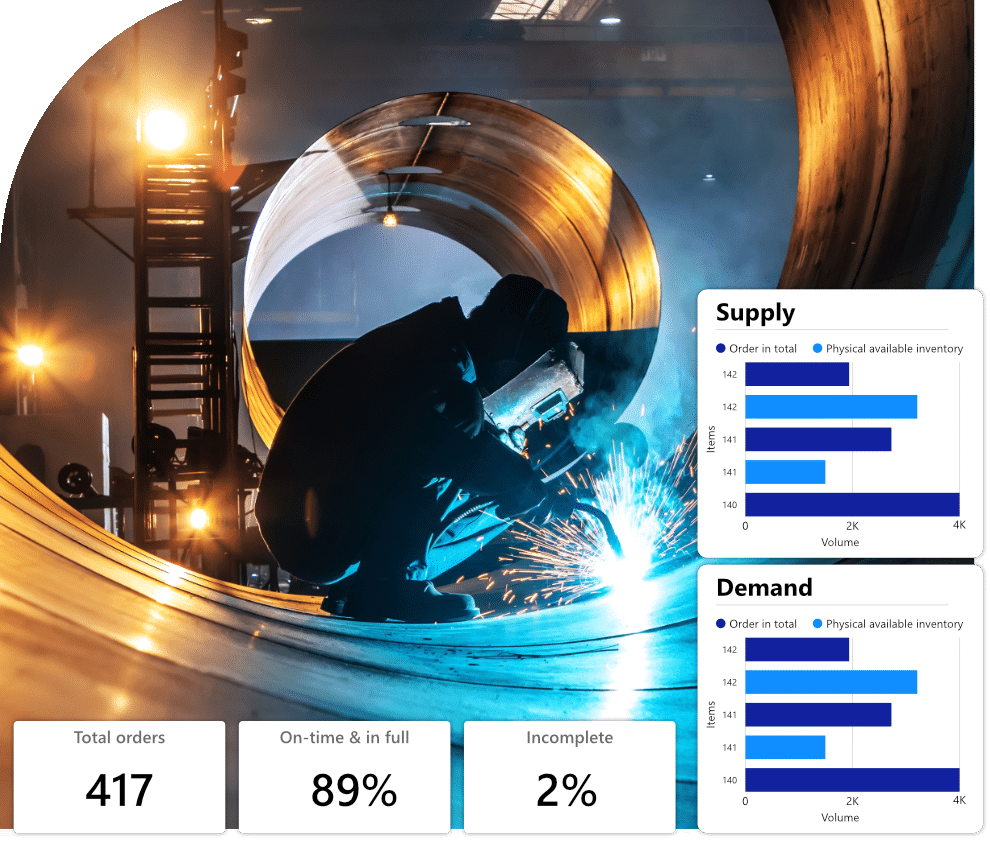
The implementation of an ERP system in manufacturing significantly enhances operational efficiency and cost-effectiveness. By integrating various business processes such as inventory management, production planning, and financial management into a unified system, companies can streamline operations and reduce manual errors. This leads to improved decision-making based on real-time data, better inventory control, and increased productivity.
Additionally, ERP systems provide greater visibility across the entire manufacturing process, enabling quick identification of bottlenecks and inefficiencies. With automated workflows and centralized data storage, employees can focus on value-added tasks rather than administrative duties.
Ultimately, the adoption of ERP in manufacturing empowers businesses to adapt to changing market demands swiftly and stay competitive in today’s dynamic landscape.
Key Features for Production Optimization
For manufacturers in Malaysia, optimizing production efficiency relies on leveraging specific key features within an ERP system. One essential feature is real-time production monitoring, allowing businesses to track progress, identify bottlenecks, and make timely adjustments.
Advanced planning and scheduling tools help in managing resources effectively, ensuring smooth operations. Inventory management modules aid in maintaining optimal stock levels, preventing overstocking or stockouts.
Quality management features enable continuous monitoring and improvement of product quality standards, reducing defects and enhancing customer satisfaction. Integration with IoT devices allows for data-driven decision-making and predictive maintenance, further enhancing overall production efficiency.
Financial Management Capabilities of ERP
Optimizing financial management within an ERP system involves integrating accounting processes for streamlined operations and enhanced decision-making. An ERP system provides real-time visibility into financial data, allowing for accurate forecasting, budgeting, and financial reporting.
It automates repetitive tasks such as invoicing, payroll, and financial analysis, reducing the margin for error and saving time. By centralizing financial information, ERP systems enable better tracking of expenses, revenue, and profitability across the manufacturing process.
Additionally, these systems offer robust security features to protect sensitive financial data, ensuring compliance with regulations. With comprehensive financial management capabilities, ERP systems empower manufacturing companies in Malaysia to make informed financial decisions, optimize cash flow, and drive overall business growth.
Integration of Supply Chain Processes
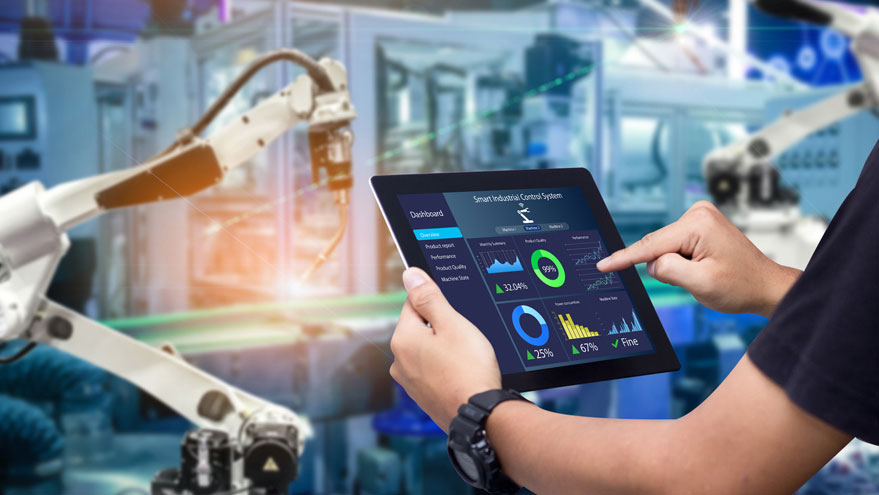
Integrating supply chain processes in an ERP system enhances operational efficiency and collaboration in manufacturing companies in Malaysia. By connecting various stages of the supply chain, from procurement to production to distribution, ERP software enables real-time data sharing and visibility. This integration allows for better demand forecasting, inventory management, and order fulfillment. Manufacturers can streamline processes, reduce lead times, and minimize stockouts through synchronized workflows.
Additionally, by centralizing information, decision-makers gain insights to optimize supplier relationships and production schedules. Enhanced coordination with suppliers and distributors fosters stronger partnerships and improves overall supply chain performance. Ultimately, the integration of supply chain processes within an ERP system is crucial for Malaysian manufacturing companies looking to stay competitive in today’s dynamic market.
Growth Opportunities With ERP Adoption
Enhancing operational efficiency and fostering collaboration through ERP adoption presents Malaysian manufacturing companies with significant growth opportunities. By implementing ERP systems, companies can streamline processes, improve decision-making with real-time data insights, and enhance overall productivity.
With better inventory management, resource planning, and cost control, businesses can reduce waste, optimize production, and respond more effectively to market demands. Furthermore, ERP solutions enable companies to scale operations seamlessly, enter new markets, and diversify their product offerings.
Embracing ERP technology not only boosts efficiency but also empowers organizations to innovate, adapt to changing business environments, and stay competitive in the dynamic manufacturing landscape of Malaysia.
Conclusion
In conclusion, implementing an ERP system in manufacturing industries in Malaysia offers a range of benefits. These include production optimization, financial management capabilities, and streamlined supply chain processes. By adopting ERP, businesses can enhance their operational efficiency, reduce costs, and open up growth opportunities.
It is evident that ERP systems play a crucial role in streamlining production and finances for manufacturing companies in Malaysia.